Exploring the cultural impact of casinos on modern society
The Evolution of Casinos in Society
Casinos have undergone significant transformations throughout history, evolving from ancient gaming houses to today’s lavish resorts. Originally seen in Roman times as venues for socializing and entertainment, casinos have become intertwined with modern culture. The introduction of gambling legislation in various regions has made casinos more accessible, leading to a boom in their popularity. This evolution reflects society’s changing attitudes toward gambling, leisure, and entertainment. For those interested, the exciting world of Ice Fishing casino Ireland is a prime example of this evolution.

As casinos became more integrated into urban development, they started to symbolize not just a chance to win money but also a lifestyle choice. The growth of integrated resorts, especially in places like Las Vegas and Macau, demonstrates how casinos now offer a holistic entertainment experience that includes dining, shopping, and live shows. This shift highlights the importance of casinos as cultural landmarks, contributing significantly to local economies and tourism industries.
Moreover, the portrayal of casinos in media has further cemented their cultural relevance. Films and television shows often depict casinos as glamorous, exciting environments filled with high-stakes drama. This imagery influences public perception and has contributed to the allure surrounding these establishments. As casinos continue to evolve, their impact on modern society remains profound, impacting everything from economic policies to personal choices in leisure activities.
Cultural Attitudes Towards Gambling
The perception of gambling within different cultures reveals a spectrum of attitudes that shape the way casinos are integrated into daily life. In some societies, gambling is viewed as a social activity, a way to bond with friends and family. In others, it may carry a stigma associated with addiction or irresponsibility. These varying attitudes inform how casinos market themselves and engage with their communities, leading to diverse cultural expressions related to gaming.
In many Western countries, for instance, gambling has been normalized, with casinos hosting events that cater to a wide demographic. This cultural acceptance contrasts with regions where gambling remains largely taboo, often due to religious or cultural beliefs. The diversity in attitudes toward gambling not only influences the success of casinos in different areas but also shapes the design and operation of these establishments to fit local customs.
Furthermore, initiatives focused on responsible gaming are gaining traction as public awareness of gambling addiction grows. Casinos are increasingly implementing programs to educate patrons about the risks of gambling. These efforts reflect a cultural shift towards recognizing the potential downsides of gambling while still celebrating the entertainment value that casinos provide. Such duality in attitude signifies an evolving relationship with gambling that is continuing to adapt to modern societal norms.
The Economic Impact of Casinos
Casinos have a notable economic impact on the communities they inhabit, contributing significant revenue through job creation, tourism, and local business support. In cities where casinos operate, they often become key drivers of economic growth. By attracting visitors, casinos stimulate various sectors, from hospitality and retail to entertainment. This multifaceted economic contribution showcases the broader influence of casinos beyond mere gaming.
Additionally, tax revenues generated from casinos can provide vital funding for local governments. These funds often support public services such as education, infrastructure, and community development projects. As such, the presence of casinos can lead to improved community resources and services, enhancing the quality of life for residents. The balance between the potential economic benefits and the risks associated with increased gambling activity remains a topic of debate within society.
However, the economic impact of casinos is not without its challenges. Issues related to gambling addiction and its social consequences can lead to increased costs for healthcare and social services. Local governments must navigate this complex relationship, balancing the financial benefits of casinos with the responsibility to protect community well-being. This ongoing discussion highlights the need for informed policies that maximize benefits while minimizing potential harms.
Casinos and Social Interaction
Casinos serve as modern social hubs where individuals gather not only to gamble but also to engage in various entertainment options. The communal aspect of gaming encourages social interaction among patrons, fostering connections between people from diverse backgrounds. This unique blend of social engagement and entertainment transforms casinos into vibrant community spaces where relationships can flourish.
The atmosphere in casinos is designed to encourage interaction, often featuring lounges, bars, and dining establishments that allow patrons to socialize away from the gaming floor. Special events, tournaments, and themed nights further attract crowds, enhancing the casino’s role as a social gathering place. This social dynamic reflects broader societal trends towards experiences over material possessions, as individuals increasingly seek out communal activities and shared experiences.
Moreover, casinos can also play a pivotal role in breaking down social barriers. With diverse clientele, they provide an environment where individuals can meet and interact outside their usual social circles. This melting pot of cultures and backgrounds fosters inclusivity, allowing people to share stories and experiences. The social dimension of casinos highlights their importance as cultural spaces that reflect and shape contemporary social interactions.
Conclusion: The Modern Casino Landscape
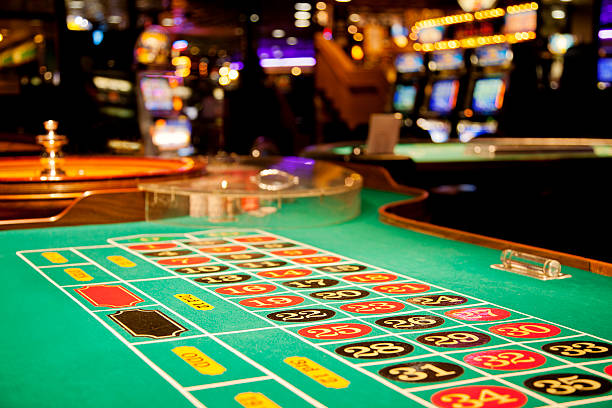
The modern casino landscape is a complex and multifaceted phenomenon that significantly influences contemporary society. As venues for entertainment, social interaction, and economic development, casinos continue to play a vital role in shaping cultural attitudes and community dynamics. While they present both opportunities and challenges, their impact extends beyond gaming to encompass broader societal implications.
The evolution of casinos reflects changing societal values and attitudes toward leisure and entertainment, demonstrating their adaptability in a rapidly changing world. As casinos continue to innovate and diversify their offerings, they will likely further entrench themselves in the cultural fabric of modern society. Engaging with casinos, whether as patrons or stakeholders, invites a deeper understanding of their multifaceted contributions to community life.
In the context of this exploration, it is essential to recognize the balance between the entertainment value of casinos and the responsibilities they bear towards their patrons and communities. This nuanced understanding can help foster a healthier relationship with gaming in society, ensuring that the cultural impacts of casinos are appreciated while addressing any potential pitfalls. As we move forward, the conversation about casinos will undoubtedly continue, reflecting our evolving cultural landscape.
